Entitlement and the American Psyche: A Reflection on Privilege and Perspective
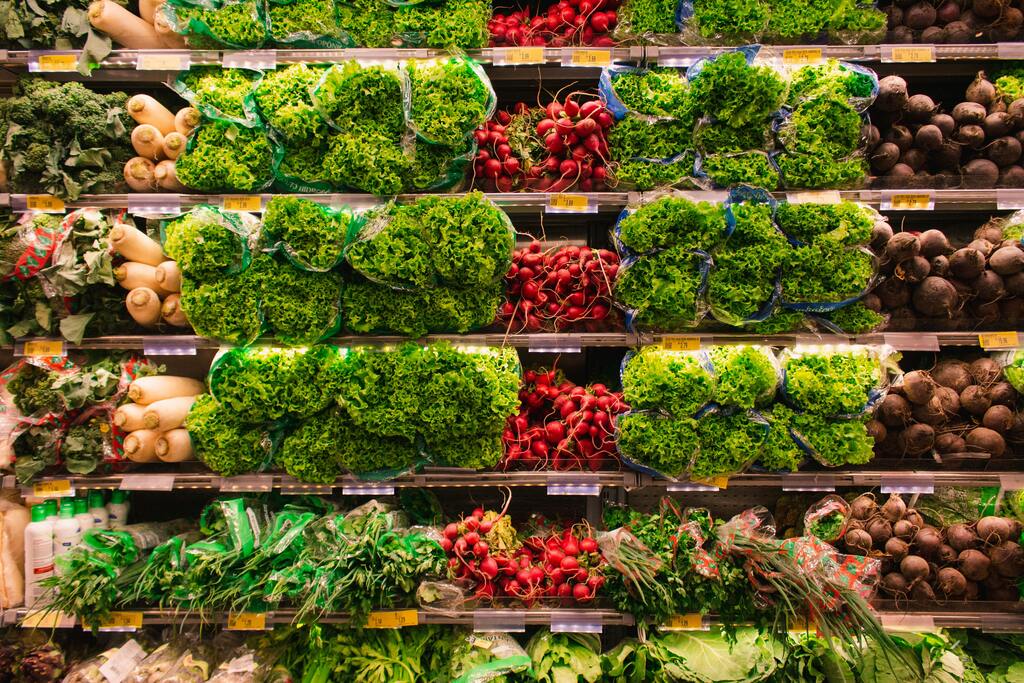
This morning, I found myself thinking I should update my Twitter status to “Embarrassed by my own arrogance and sense of entitlement.” You see, I went to make groceries just like I usually do on Sunday morning. I like to go on Sunday morning because most folks in Atlanta are at church or are getting ready to go to church at 9 or so in the morning, so there are always parking spaces near the door, plenty of space to walk, and few, if any, lines at the checkout. Anyway, I went to the Walmart up the street, grocery list in hand, and proceeded to add items to my cart. I couldn’t help noticing this huge bin of pears in front of the fruit section. I found myself wondering if there were enough people in Snellville to buy all the pears in the bin.
I wandered the store a little more, picking up coffee and creamer, then moving to the condiments aisle to get Blue Plate mayonnaise. I meandered through the grocery section, picking up items and scratching them off my hastily scribbled list. At one point, I realized I could not remember if I had thyme or rosemary on the spice shelf. I could not find fresh tarragon and already had decided to forgo it this trip rather than make a quest to three additional grocery stores to locate it. So, I picked up my cell phone to call home and ask my daughter to check for me. It turns out that I had neither (good thing I checked). I made my way over to the frozen vegetable freezers. I know, fresh is better. I love fresh veggies. But, I also need to make sure I get a certain amount of bang for my buck because I’m a single mom and have to feed three kids; I can’t afford for fresh fruits and veggies to go bad and get thrown out if we fail to eat them. So, I went looking for spinach, broccoli, corn, and the like. I located the corn and broccoli without a problem, but the spinach was nowhere to be found. That’s when I became frustrated.
There I stood in front of the frozen vegetables, staring through the glass doors of freezers overfilled with corn, okra, green peas, string beans, California mix, corn on the cob, carrots, and a variety of other vegetables. I was frustrated because I wanted spinach so I could make fish with sauteed spinach over pasta on Friday. A moment later, I began to feel ashamed and a little embarrassed. Here I am living a totally over-privileged lifestyle in the wealthiest nation on the planet in a grocery store that is more than just a grocery store — don’t forget the cheap clothing, music and DVDs, electronic devices, sporting goods, toys, home and garden section, and the automotive department — carrying a cell phone that I could casually use to call home to see if I had certain spices on the shelf so I wouldn’t double-buy and being irritated that I couldn’t get frozen spinach. Yes, I felt shame.
I remembered my first trip to Mexico. I was on a college-sponsored Global Awareness trip to Oaxaca. We were taking a bus trip to see ancient historical sites in the region. At one point, we stopped to talk to some little kids who were playing nearby and had no shoes on. Their curiosity must have drawn them to see the group of Americans who were passing through their part of the world. These kids and their parents would probably be overwhelmed to see the abundance of food neatly wrapped in colorful plastic containers that we have in our grocery stores. And, I had the audacity to be frustrated over the lack of spinach.
I thought about my trips to Haiti, where the poverty is almost a stench in the air. Men, women, and children who hold themselves quite proudly as the only African peoples in the “New World” to successfully overthrow and oust their European oppressors (only to be replaced by home-grown Haitian ones), many of whom live in such abject poverty that they walk through garbage and raw sewerage to get to open-air markets that skirt heaps of refuse. And, I became agitated over the lack of frozen spinach today.
I recalled driving through the countryside in Guatemala, observing some of the most beautiful scenery God has created, and catching a glimpse of tiny one-room homes with no windows or doors, and only tin corrugated roofs to keep out the elements. Just a trip to the market for the people living in those huts would be an hour’s walk back and forth. Meanwhile, I drive in comfort to an air-conditioned or heated, as needed, mega-store loaded down with fruits, vegetables, grains, and meats of varying types, sizes, and quantities, only to inwardly complain that I couldn't find spinach to cook my meal of choice.
Yes, I felt ashamed. And, I continue to feel ashamed and embarrassed. Now that several hours have passed and I’ve had some time to think about the situation, I'm also concerned. I am worried about myself as an individual. I have many questions to ask about my moral and ethical grounding, as well as my sense of concern for others. But there are larger questions here as well. After all, I consider myself to be a pretty average American. So, what does my response to the spinach situation say about us as a people? Are we so accustomed to having what we want available to us that we can’t imagine not being able to get what we want when we want it? What if life in the US became like life in Haiti?
On my second trip to Haiti, the friend I was traveling with lost the small lock he had for the footlocker-style chest he brought down with him. We needed to obtain another small lock so we could board the plane and not worry about the contents of the trunk scattering across the baggage carousel. First, we had to wait for transportation to take us from the slightly suburban house where we were staying to town to shop. That was two hours of waiting. When the transportation arrived, we waited for our hosts to negotiate a rate with the driver. Then, we drove painstakingly into town over roads that had potholes big enough to swallow a Smart Car. We disembarked the vehicle and wandered from shop to shop inquiring if any one of them had a tiny little padlock. After three or four stores, I would have given up, but we pressed on until at the sixth shop, the object of our quest was produced from behind the counter. The quest for the lock had taken about five hours, including waiting and travel time.
What would we do in the US if we had to spend hours searching for items we currently take for granted? What if we entered the grocery store tomorrow and there were no apples? What if there were no bread? In recent years, some people in the US have had to experience this firsthand (much respect to our honorable brothers and sisters who opted to stay in New Orleans and along the Gulf Coast after the Katrina debacle). They’ve braved neighborhoods with no lights, water, telephones, and no grocery stores or gas stations for miles. But what of the rest of us? Could we survive if the food supplies were suddenly cut off? If so, how? What if there were no natural gas to warm our water? Most of us go crazy if the cable goes out for more than five minutes. What if the very items we need to live, food, water, and shelter, were withheld from us? What would we do then?
I know I need to think about these issues as I fill my bath with hot, bubbly water and crank the heat to a balmy 72 degrees so I can sit in the tub and relax after a hard day of tapping at the computer keyboard. I need to think about the women who walk miles in all sorts of weather to carry their wares to market to feed small children whatever they can afford and the men who travel far from their families to perform the back-breaking work of the underclass so they can send money home so their brothers, sisters, wives, children and elderly parents can live a little better than they did before. But maybe, just maybe, you need to think about it too.
M.B.
22 March 2009